Have you ever looked at the chaos in the world or struggles in your personal life and wondered, “Why is God letting this happen?” Or felt frustrated with how long justice seems to take? You’re not alone. Many believers grapple with questions about divine justice, patience, and trust.
This post dives into Habakkuk chapter 2—a powerful chapter that offers insight into trusting God’s timing, understanding His justice, and recognizing the five woes that reveal the consequences of pride, greed, violence, and idolatry. By exploring Habakkuk’s conversation with God, we’ll discover how to wait faithfully and patiently for God’s justice, even when it seems delayed.
Whether you’re facing personal setbacks or observing global turmoil, this teaches us about faithful waiting and trusting that God’s plan unfolds according to His perfect timing.
What You’ll Learn:
- How Habakkuk describes waiting on God in a chaotic world
- The meaning and significance of the five divine woes
- Practical lessons on trusting God’s timing and justice
- How to remain faithful while we wait for God’s plan to unfold
Why Habakkuk 2 Matters: Understanding Divine Justice in a Troubling World
The world today is rife with chaos—wars, corruption, injustice, greed, and violence seem to proliferate. In times like these, many ask: Where is God in all of this? Habakkuk’s story offers a relevant perspective.
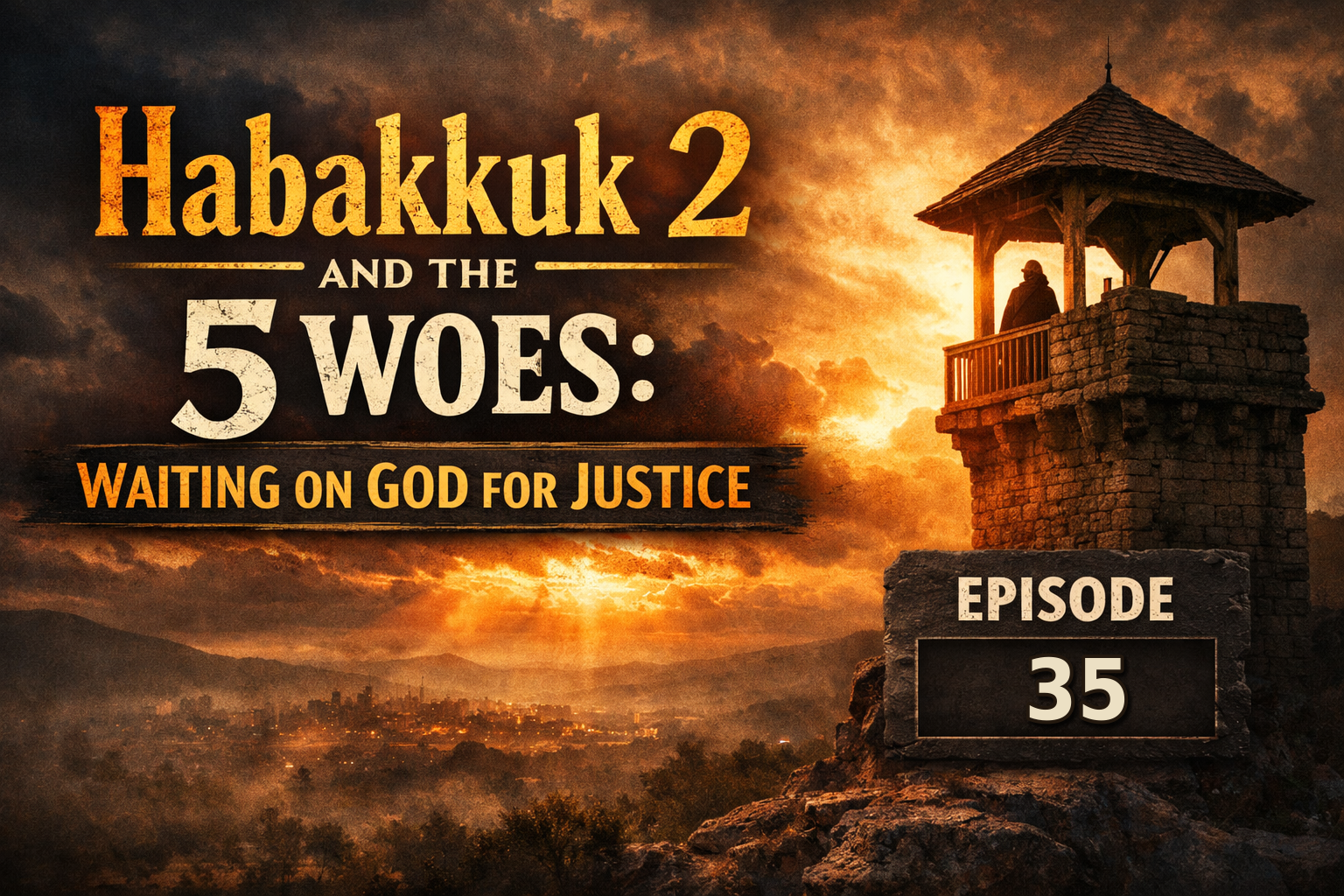
Habakkuk, an Israelite prophet, is distressed over Israel’s corruption and warfare. He questions God about why evil seems to prosper and why justice appears delayed. Instead of finding immediate answers, Habakkuk takes his concerns to the watchtower—a symbolic place of waiting and listening for God’s response.
This chapter reminds us that God’s ways are often beyond our understanding, but His justice is assured. It emphasizes the importance of patience and faith as we wait for divine justice to manifest.
The 5 Woes in Habakkuk 2: Lessons on Divine Justice
Woe 1: Woe to the Greedy (Habakkuk 2:6-8)
What it says:
“Woe to him who heaps up stolen goods and makes himself wealthy by extortion.”This warns against greed and exploiting others for personal gain. The wicked believe they can escape consequences, but justice will catch up—those who “shed human blood,” destroy lands, and pillage cities will face divine retribution.
What it teaches us:
Greedy behavior—taking more than you need, exploiting others—will eventually be exposed. God sees all, and justice is certain. We are called to trust that God’s retribution is coming and to avoid greed ourselves.
Woe 2: Woe to the Arrogant (Habakkuk 2:9-11)
What it says:
“Woe to him who builds his house by unjust gain, setting his nest on high to escape the clutches of ruin.”This warning targets pride and arrogance—those who believe their wealth or power make them untouchable. The arrogance blinds them to divine accountability.
What it teaches us:
Humility is key. No matter how high we think we are, arrogance invites downfall. Recognizing our dependence on God keeps us humble and out of the trap of pride.
Woe 3: Woe to the Violent (Habakkuk 2:12-14)
What it says:
“Woe to him who builds a city with bloodshed,” emphasizing violence, oppression, and conquest for personal or national gain.
What it teaches us:
Violence and bloodshed are not sustainable or righteous. God’s justice considers the innocent victims, and those who pursue violence will face divine judgment. Genuine peace comes from justice and righteousness, not force.
Woe 4: Woe to Deceivers (Habakkuk 2:15-17)
What it says:
“Woe to him who makes others drunk to look on their folly.”This warns about manipulation, deception, and corruption—especially those who use falsehoods or trickery for personal advantages, leading others astray.
What it teaches us:
Deception darkens the soul and ultimately leads to downfall. Transparency, honesty, and integrity are vital, especially for leaders and influencers.
Woe 5: Woe to Idolaters (Habakkuk 2:18-20)
What it says:
“Woe to him who trusts in idols carved by men,” emphasizing the futility of false idols—whether literal statues or misplaced reliance on material wealth, power, or false beliefs.
What it teaches us:
True guidance and salvation come from God alone. Trusting idols—anything other than God—is hollow and leads to spiritual ruin. We are reminded to keep silence before the Lord, acknowledging His sovereignty.
Key Takeaways: Living Faithfully While We Wait
- Waiting on God requires patience and trust, not assumptions that He’s inactive or absent.
- The five woes serve as warnings of the consequences of pride, greed, violence, deception, and idolatry.
- God’s justice is certain, even if delayed—justice will prevail according to His divine schedule.
- Our role is to remain faithful, prayerful, and righteous, trusting that God is working behind the scenes.
- Avoid false idols—whether wealth, power, or material possessions—and keep your focus on trusting God alone